Adopt a Tiger!
Celebrate the 200th with your very own custom-painted Tiger
Order an unpainted tiger, then bring it to life — paint it as a group activity, enlist a local artist, or run a design contest. Your tiger becomes a lasting mascot for your alumni community. Bring it to events, photograph it at city landmarks, and show your Tiger pride!
Choose Your Tiger
Three sizes to fit every group’s budget, space, and ambitions
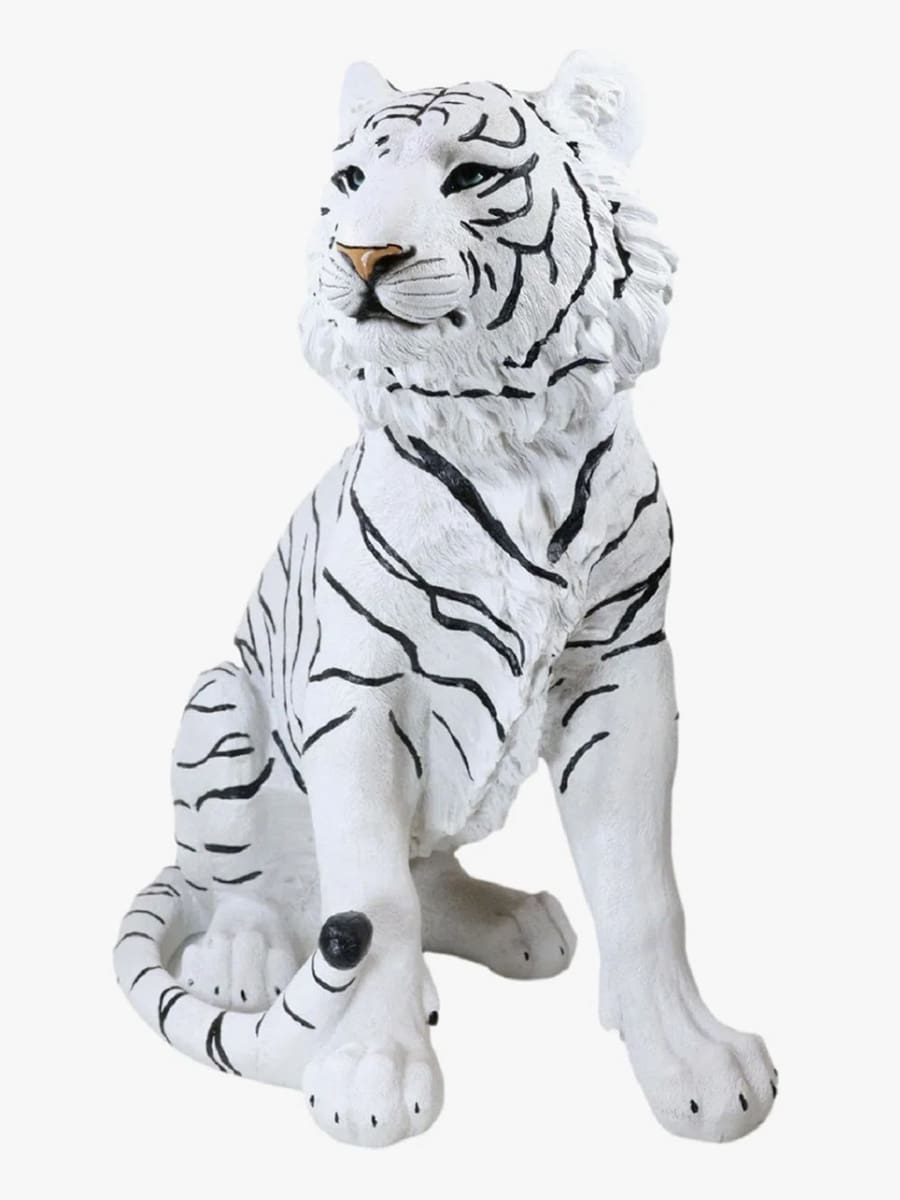
Small Tiger
20″ tall · 11.5 lbs
~$150.00
Free shipping
Resin
- Perfect for tabletop displays & smaller groups
- Paint-ready with acrylic or latex paint
- Lightweight — easy to transport to events
- Most cost-effective option for limited budgets
What you’ll receive: White resin tiger with black stripes, ready to customize with your group’s design
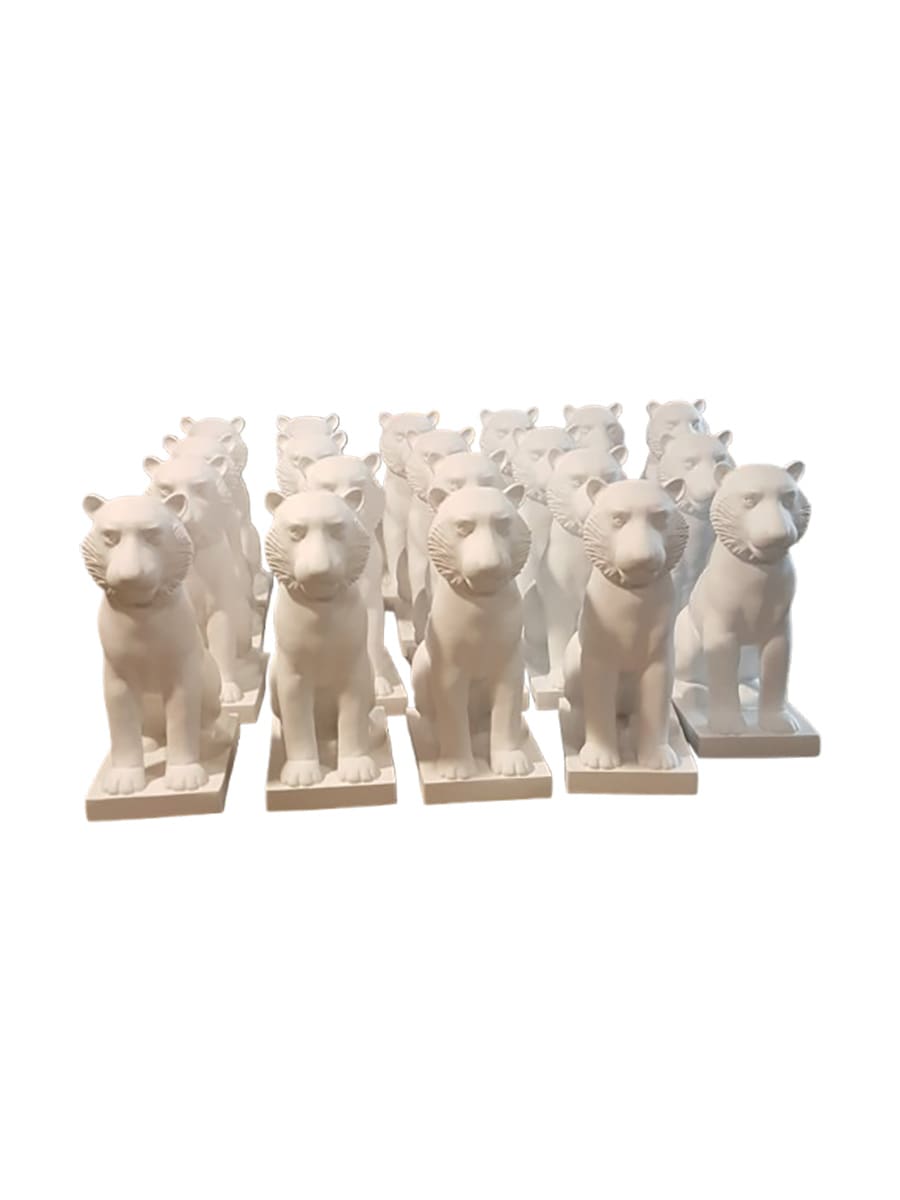
Medium Sitting Tiger
3′ tall · ~30 lbs
$789.00
+ $300–400 shipping (domestic US)
Fiberglass
- Substantial presence for mid-size groups
- Professional-grade fiberglass construction
- Use acrylic paints; finish with urethane clear coat
- Manageable weight for event transport
What you’ll receive: Pre-primed white fiberglass sitting tiger, ready to sand lightly and paint per fabricator guidelines
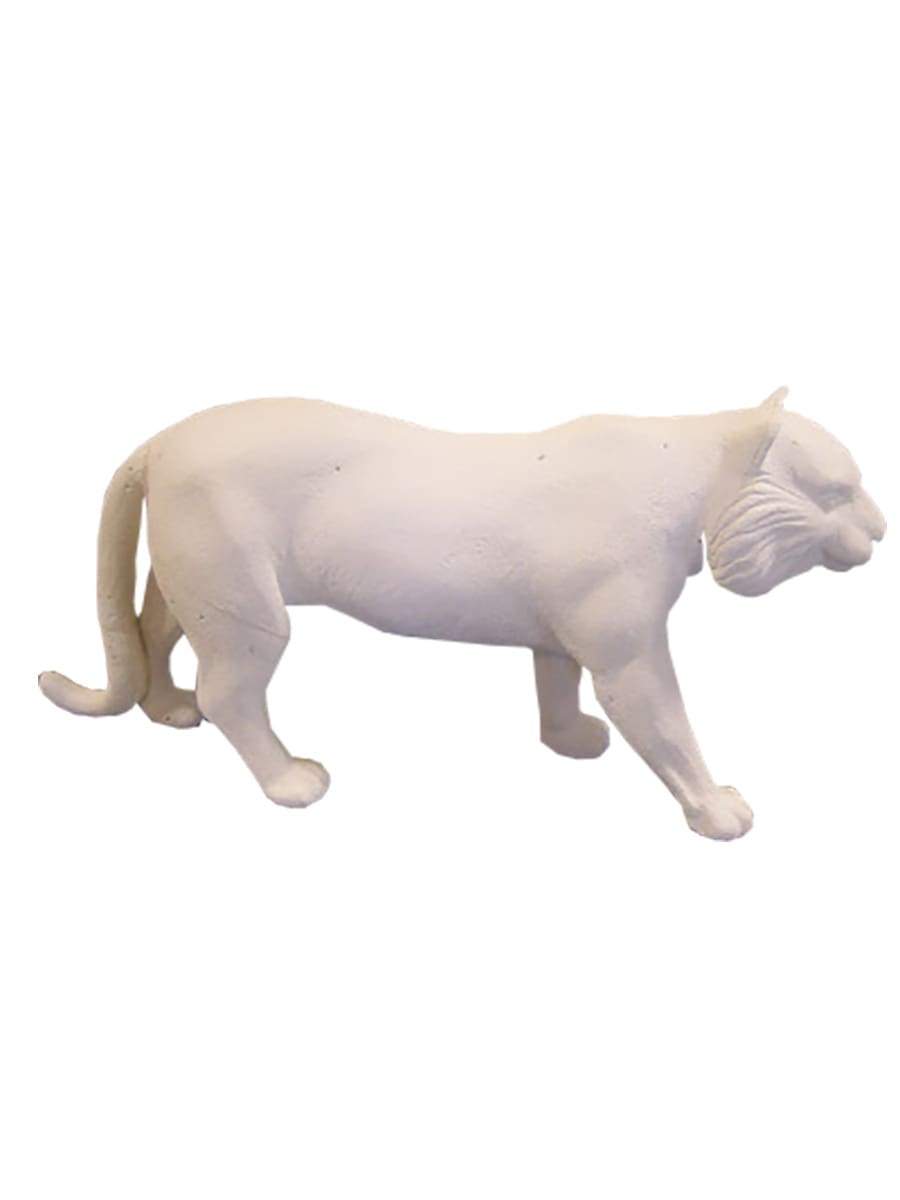
Large Standing Tiger
6′ long · ~45–50 lbs
$1,423.00
$1,368 with Princeton-wide order of 6+ by March 31st · + $400–800 shipping (domestic US)
Fiberglass
- Show-stopping presence that makes a BIG statement
- Professional-grade fiberglass construction
- Use acrylic paints; finish with urethane clear coat
- Plan for transport — this tiger is substantial at 45–50 lbs!
What you’ll receive: Pre-primed white fiberglass standing tiger, ready to sand lightly and paint per fabricator guidelines
How to Order

Small Tiger
Resin tiger via Wayfair
- Order directly from Wayfair
- Ships with free standard 3-day delivery
- Email alumni200@princeton.edu to let us know you’ve ordered so we can track participation


Medium & Large Tigers
Fiberglass tigers via our fabricator Icon Poly Studio
- Email Daniele at info@iconpolystudio.com
- Specify you are part of the “Princeton Alumni Association Orders”
- Include which size: 6′ standing or 3′ sitting tiger
- BCC alumni200@princeton.edu so we can track orders
- Questions? Call Daniele at 308-468-9411
Timeline: Fabrication begins after the group order window closes March 31st. Expect delivery in late May or June.
Group discount: The large tiger price drops to $1,368 if 6 or more total orders are placed across all alumni groups within the order window (by March 31st). Individual orders placed after the window closes are not eligible for the discount.
Frequently Asked Questions
Painting & Design
Q. What kind of paint should I use?
Acrylic paint is recommended for all tiger sizes. The small resin tigers work great with standard interior acrylic or acrylic-latex paint (we tested Behr interior paint and it adheres perfectly!). If you plan to display the small tiger outdoors or desire additional protection, please review the outdoor FAQ below for sealer guidance. For medium and large fiberglass tigers, follow Icon Poly’s detailed guidelines: lightly sand with 180–220 grit, clean with a damp cloth, and use high-quality acrylic paints with natural pigments. After painting the fiberglass tigers, apply an automotive-grade urethane clear coat (3 coats recommended) for UV protection and durability. Download the full Icon Poly Paint Guidelines (PDF) for complete instructions for the medium and large fiberglass tigers.
Q. What paint color is closest to “Princeton Orange”?
Benjamin Moore’s “Startling Orange” appears to be the closest match to Princeton Orange – it’s just slightly lighter / brighter. If you’d like something slightly more subdued / a bit darker, take a look at Behr’s “Tart Orange”. Any paint store (including the big box hardware stores) should be able to mix paint to match another brand’s color. A fun background fact: the official Princeton orange is Pantone color PMS 158, which is the closest ink match to the swatch of cloth showing the orange adopted by the trustees in 1959 and kept in the archives for historical reference..
Q. Can I enlist a professional artist?
Absolutely! Budget $1,000+ for professional services, or seek donated services from an alumni artist in your group. Some groups have had great success reaching out to art-focused alumni.
Q. What about a DIY approach?
DIY is a fantastic option! Estimated cost for paint and supplies is $100–300 for the medium and large tigers, and likely $50-100 for small tigers, depending on design complexity and tiger size. Consider making the painting process itself a group event — it’s a great family-friendly activity. For group events, we recommend having your base color coat and any basic elements already painted and dry. Use the Icon Poly Paint Guidelines (PDF) if you have a fiberglass tiger.
Q. How do I come up with a design?
Get creative! Here are some popular approaches:
- Run a design contest — solicit ideas (sketches and/or AI-generated mockups), then have your group vote
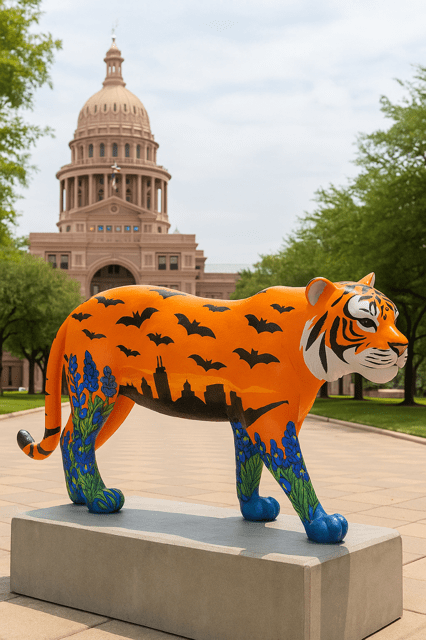
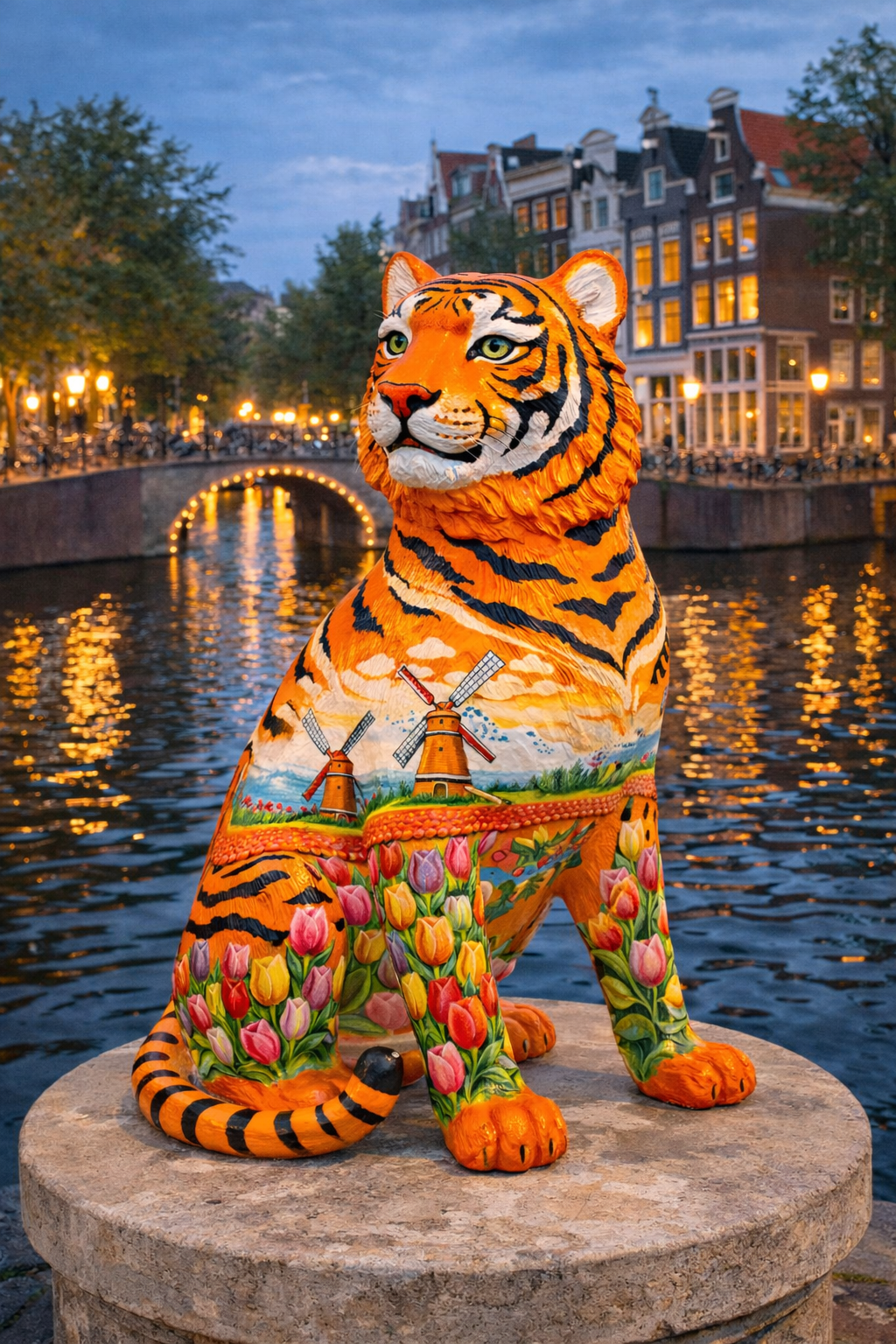
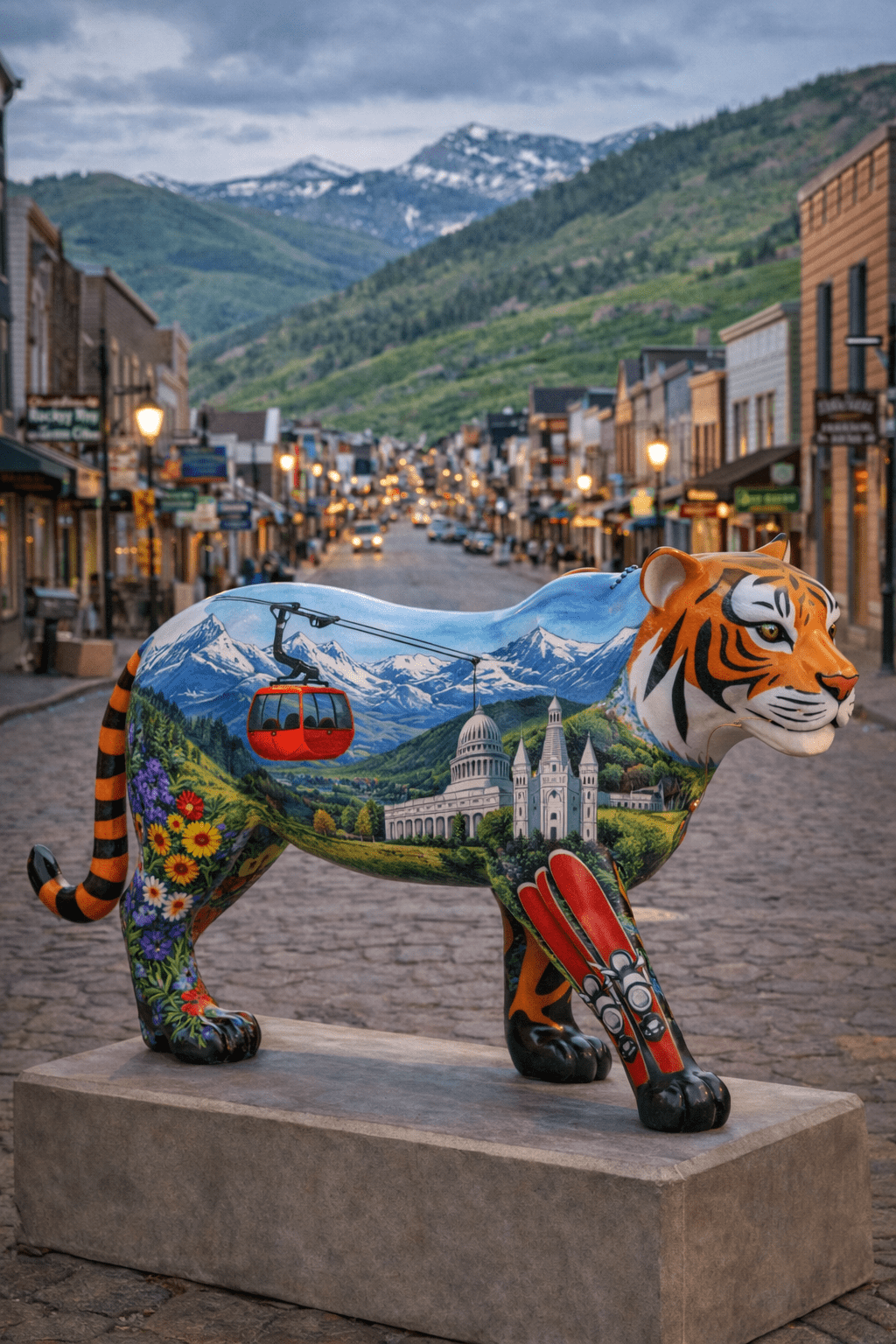
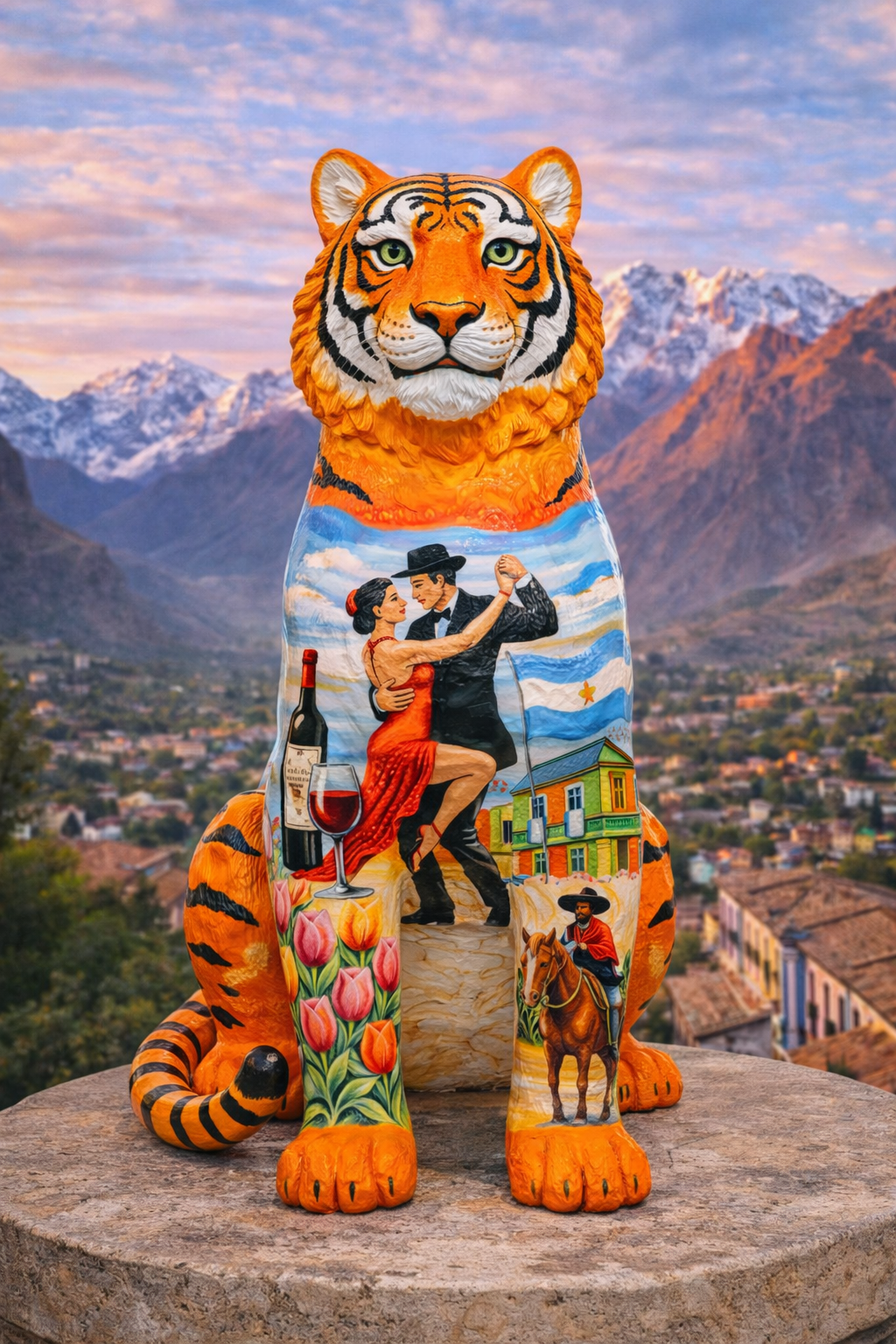
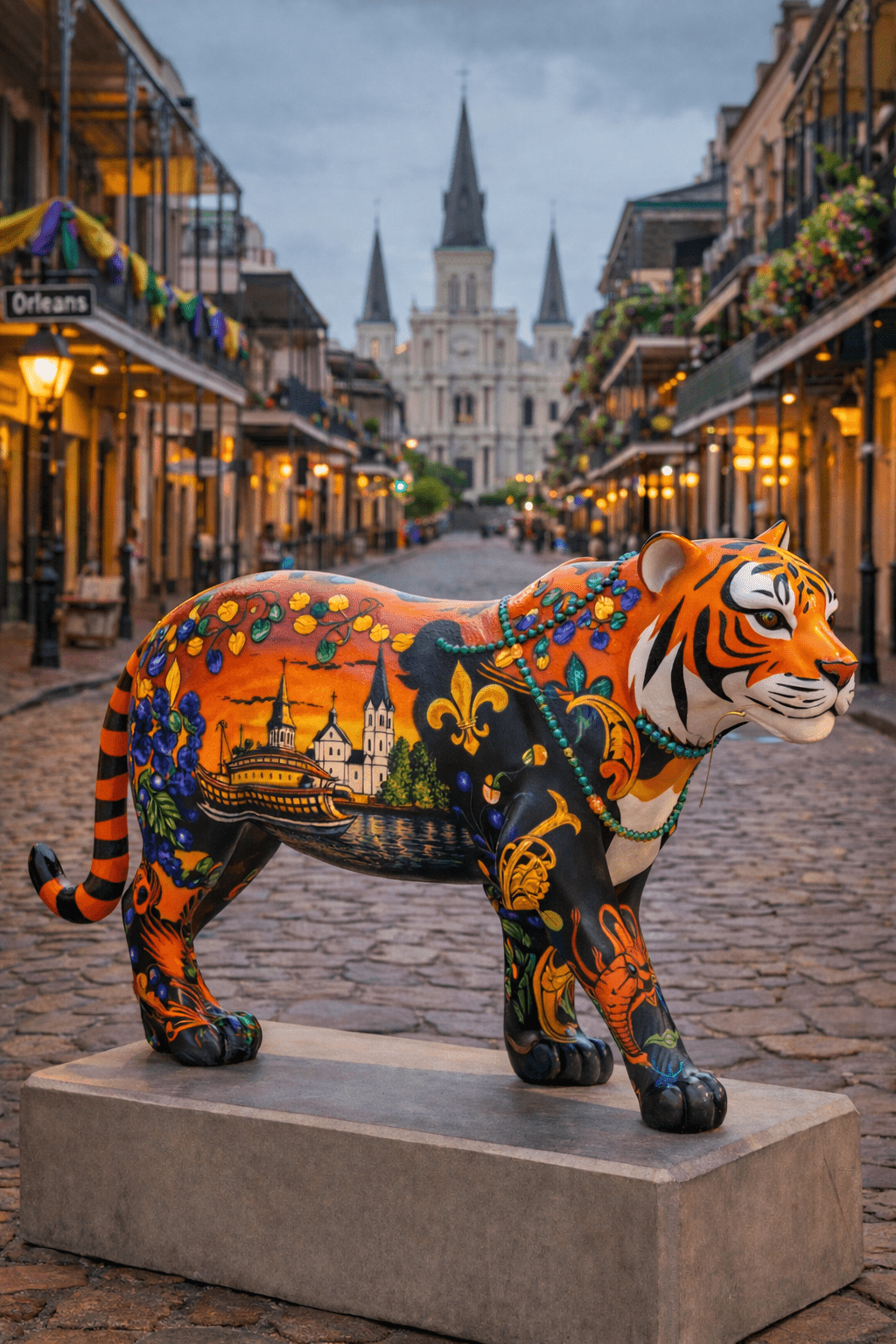
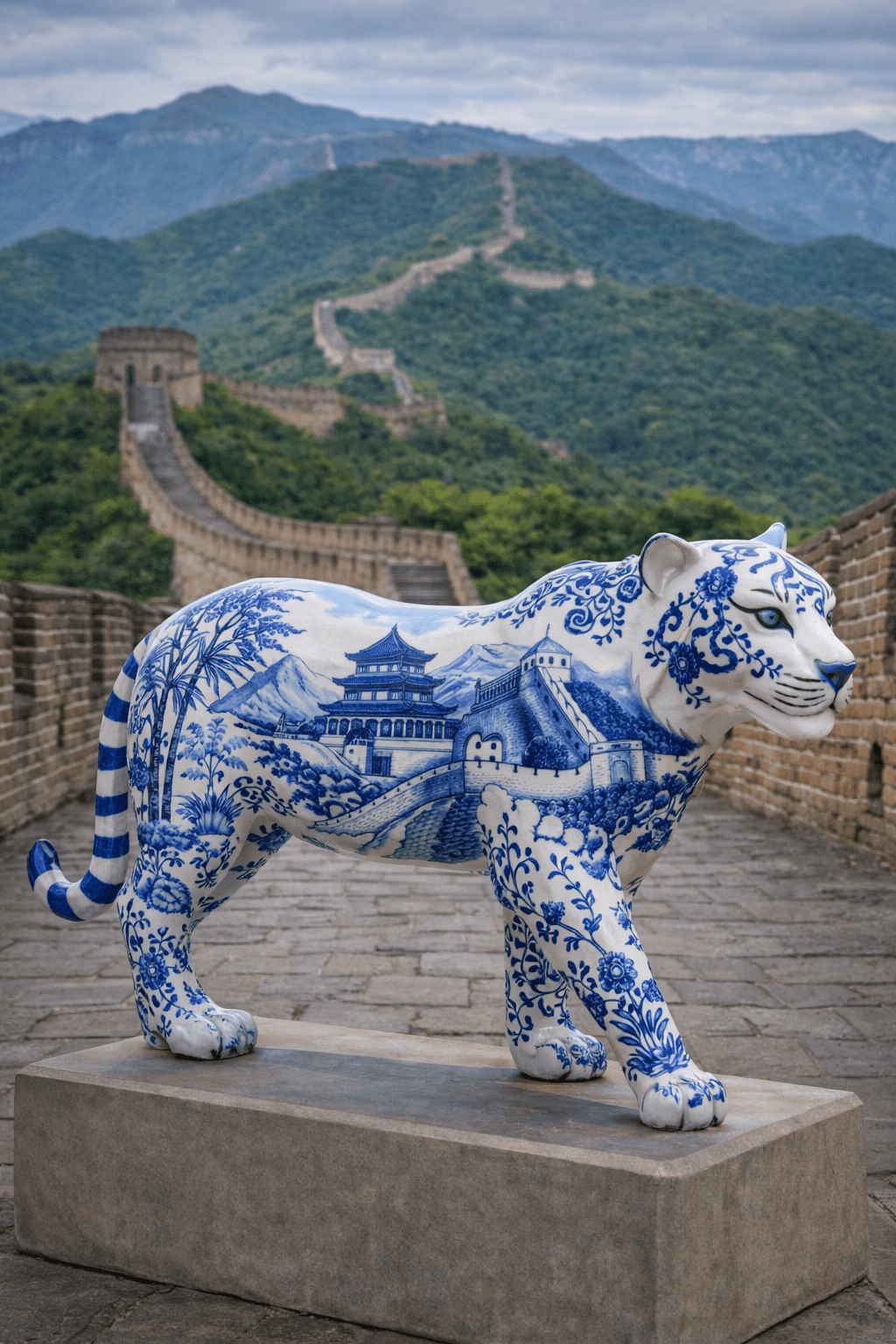
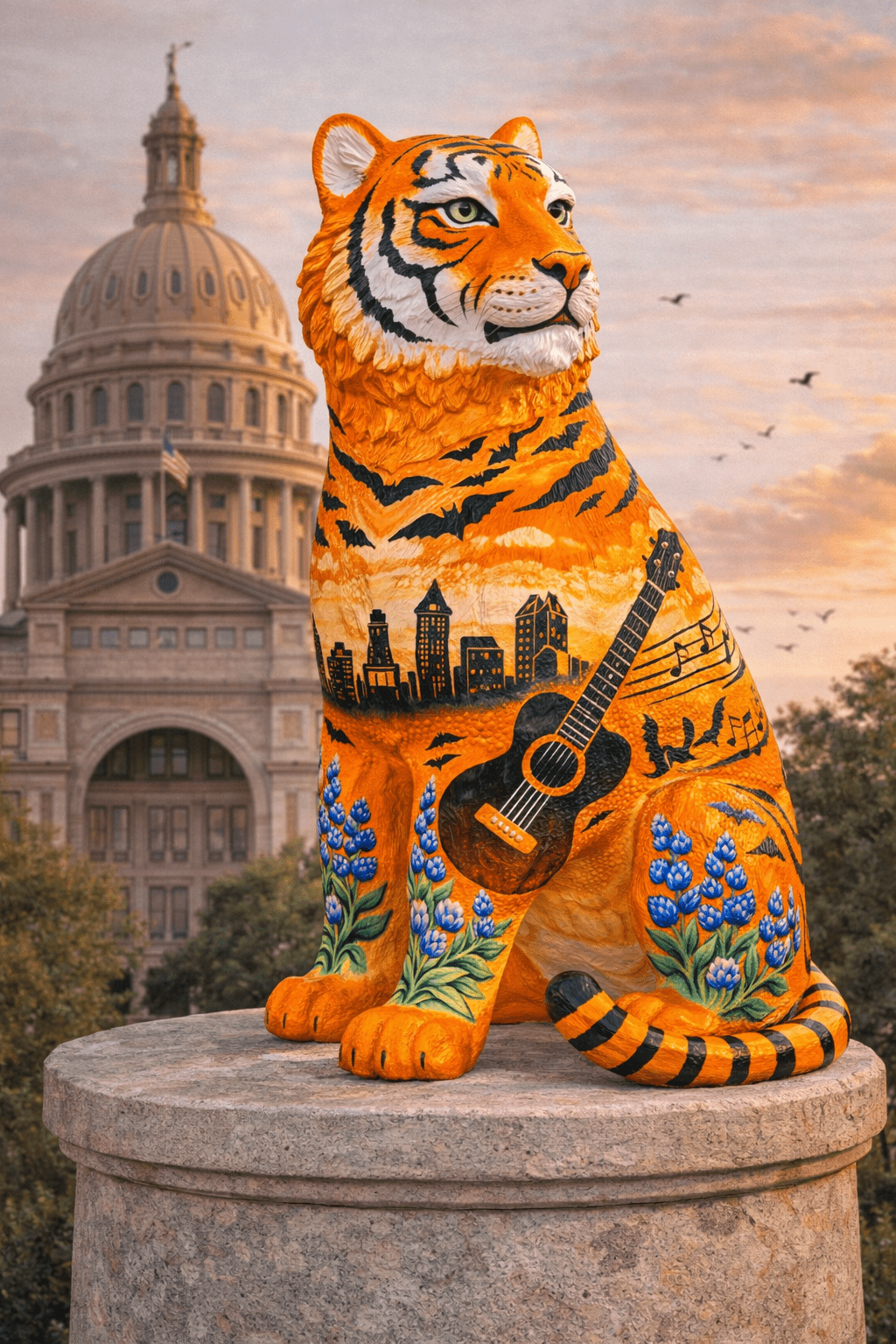
- Use AI tools like ChatGPT to generate design concepts and variations. See our gallery of design inspiration below!
- Incorporate your city’s landmarks, colors, and culture into the tiger’s design
- Reference Princeton’s orange and black as a base and add your regional flair
Q. Are there any important painting tips for the fiberglass tigers?
Yes — a few key ones from the fabricator:
- Wear plastic (non-powdered) gloves when handling the sanded surface to avoid oil transfer
- Do not use mechanical sanders — hand sand only
- Your tiger has a small drilled breath hole on the underside — do not seal this hole, as it’s important for the sculpture’s longevity
- For fine lines, use acrylic paint pens or bottles with needle-type tips
- Icon Poly loves to see your work in progress! Share photos on their Facebook page
Download the complete Icon Poly Paint Guidelines (PDF) for the full set of recommendations.
Logistics & Shipping
Q. How long does delivery take?
Small resin tigers ship directly from Wayfair with free 3-day delivery. Medium and large fiberglass tigers are produced after the group order window closes on March 31st — expect delivery in late May or June. Place your order within the window to ensure your group is included in the production run!
Q. What about international shipping?
Contact Icon Poly directly at info@iconpolystudio.com or 308-468-9411 for destination-specific international shipping quotes.
Wayfair does not offer international shipping. However, if you are traveling to the US for Reunions, work, or pleasure, you may be able to purchase the small tiger while in the US and then bring it home as checked baggage. We recommend checking your country’s customs guidelines for importing decorative items.
Q. How heavy are the tigers?
Small resin tiger: lightweight, easy to carry. Medium sitting tiger: ~30 lbs. Large standing tiger: ~45–50 lbs. Plan your transport and display logistics accordingly — the large tiger in particular requires multiple people to move safely!
Tiger Homing & Display
Q. Where should my tiger live?
Tigers must have a designated loving, alumni home outside of Princeton. Indoor storage is recommended to extend the life of your tiger and paint job. Please be respectful of university and town art installation guidance — do not reach out to university departments, campus groups, or community partners about housing tigers long-term.
Q. Can I display my tiger outdoors?
The fiberglass tigers are built for indoor or outdoor display! Fiberglass is weather-resistant, and with the recommended automotive-grade urethane clear coat (3 coats), your tiger will be well-protected from UV, rain, and the elements — similar to the painted cow sculptures you see in cities around the world. We recommend periodic inspections for any signs of wear and touch-ups as needed to keep your tiger looking its best.
The small resin tigers are better suited to indoor display with occasional outdoor appearances. If you want to further protect the small tigers, our research indicates 2-3 light coats of sealer can help provide reasonable protection for exposure to elements. Let each coat dry fully between applications and test the sealer on a small inconspicuous spot first, just to confirm compatibility with your paint. A few sealer options for the small resin tiger from our research:
- Krylon UV-Resistant Clear (acrylic) – easy to find, good UV protection
- Rust-Oleum Crystal Clear Enamel – slightly more durable than straight acrylic
- Mod Podge Outdoor – if you want brush-on, rather than spray
Tiger Engagement Ideas
Make sure to share photos of your custom painted Tiger with us! Tag @princetonalumni on social media and/or submit to Tiger Tales.

Run a Design Contest

Host a Group Painting Party

Throw an Unveiling Party

City Landmarks Photo Series

Swag & Merch Featuring Your Custom Design

Annual Recognition Award

Rotating Tiger Home

Bring to Signature Events
Design Inspiration
Here are a few AI-assisted design concepts, with tigers painted to celebrate locations around the world.